
10 years on from the Brexit vote


Dennemeyer Group

There is no single recipe for the ideal rebrand, as any campaign is entirely specific to the original brand: its market position, public relations standing, objectives and so on. However, as mentioned, any organization needs to recognize where it is in the competitive environment, where it wants to go and why. As we shall see, the cost of a misstep is often much greater than falling flat on one's face.
Weight Watchers began in the early '60s when founder Jean Nidetch invited friends to her house to share the struggles of losing weight. Together, they found there was more to their ambition than simply counting calories, encompassing many mental and emotional health aspects. Through weekly meetings and peer support, they helped each other achieve their goals, and soon the program had grown into an international phenomenon. In 1998, Weight Watchers introduced its first numerical system that evaluated food based on its nutritional content to tremendous success – even registering a trademark for "Points" and receiving numerous patent grants. All seemed to be on the up and up as waistlines shrank. Fast forward to 2018, when the company unveiled an unexpected new logo and branding strategy emphasizing "Wellness That Works" rather than weight loss.
The move was met with surprise and criticism, as many customers felt it did not accurately reflect their values or needs. First, the name "WW" – which supposedly stood for nothing at all – was considered too generic and broad, cold and "corporate." The vagueness of the branding did not give enough indication as to who their target audience was supposed to be, making it difficult for potential customers to identify whether it was a suitable program for them. Plus, the adoption of a somewhat more feminine brand identity initially alienated some men from the scheme, while a perceived attempt to euphemize dieting implied a certain stigma.
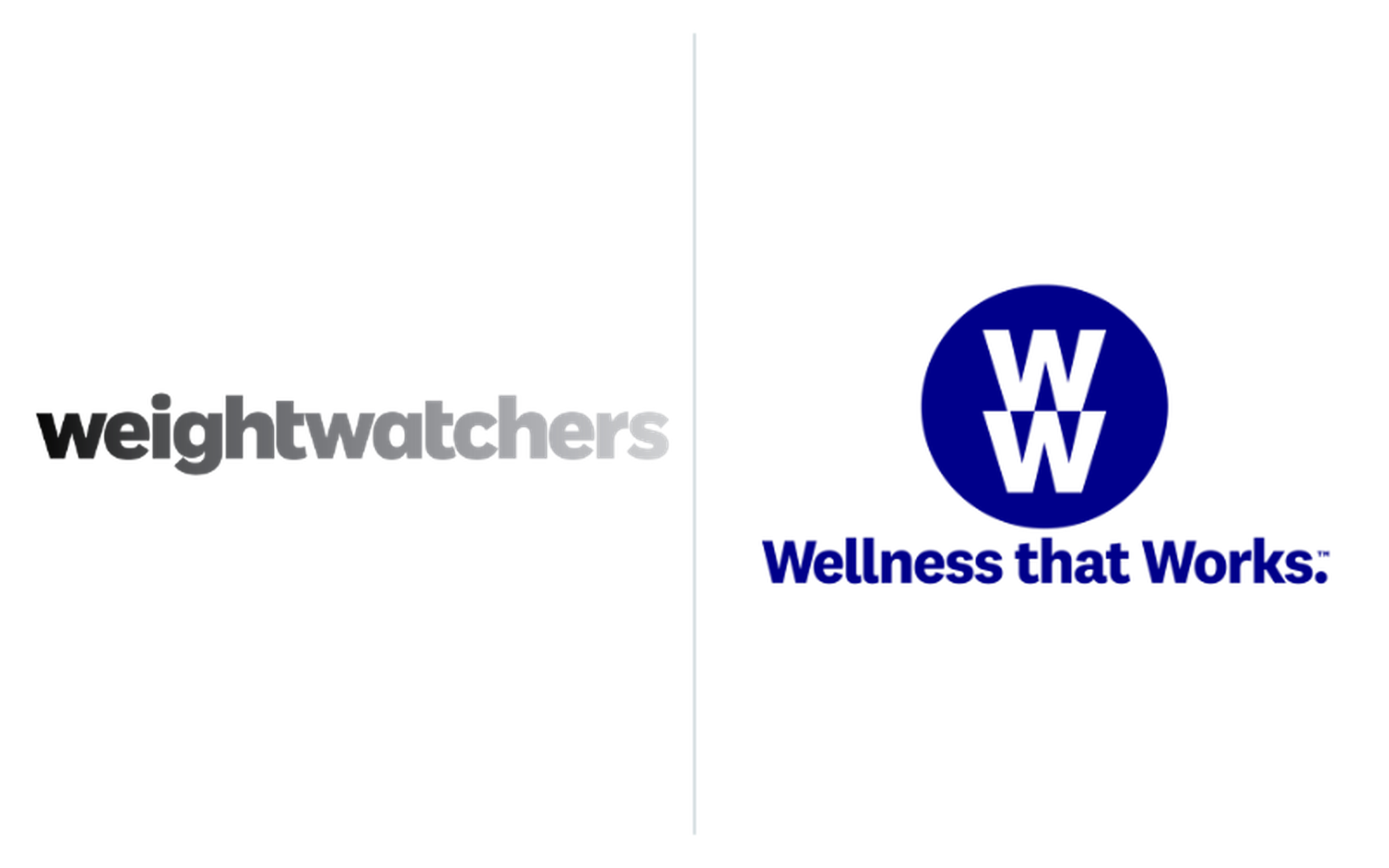
The low-calorie icing on the cake was that the move away from its core message – weight loss – caused confusion among existing customers about the company's true purpose. The effect was a drop of 600,000 subscribers in six months, a downturn in Q4 earnings and a catastrophic 34% nosedive in stock valuation. With its mission to shed pounds, not dollars, the company eventually reverted to its classic branding together with a modified "WW" logo after realizing the new look had puzzled and distanced customers.
There is wisdom to be found in the adage: "If it ain't broke, don't fix it." And when it comes to brands, nowhere does this ring more true than in the case of clothing retailer Gap. The popular fixture of shopping districts tried to give its brand an edgier look via a redesign in 2010, inadvertently creating one of the most universally hated logos ever due to its dated appearance and lack of character or personality. In addition to displeasing customers, the new logo received terrible publicity from professional designers for its bland font choice and antiquated composition. Many argued that it failed to capitalize on the strong brand identity that Gap had cultivated for decades through its attractive trademarks. With a reported $100 million invested, the rebranding effort went to Helvetica in a handbasket, leading to significant financial and image loss for the company and causing its stock prices to drop sharply soon after the announcement.

Other problems arose from changing its advertising strategy too quickly as part of the rebranding initiative. Shifting away from its traditional focus on celebrity endorsements, Gap debuted a series of ill-received campaigns featuring everyday people. These issues only compounded Gap's troubles, and the company was forced to abandon the reviled logo after only six days due to public outcry.
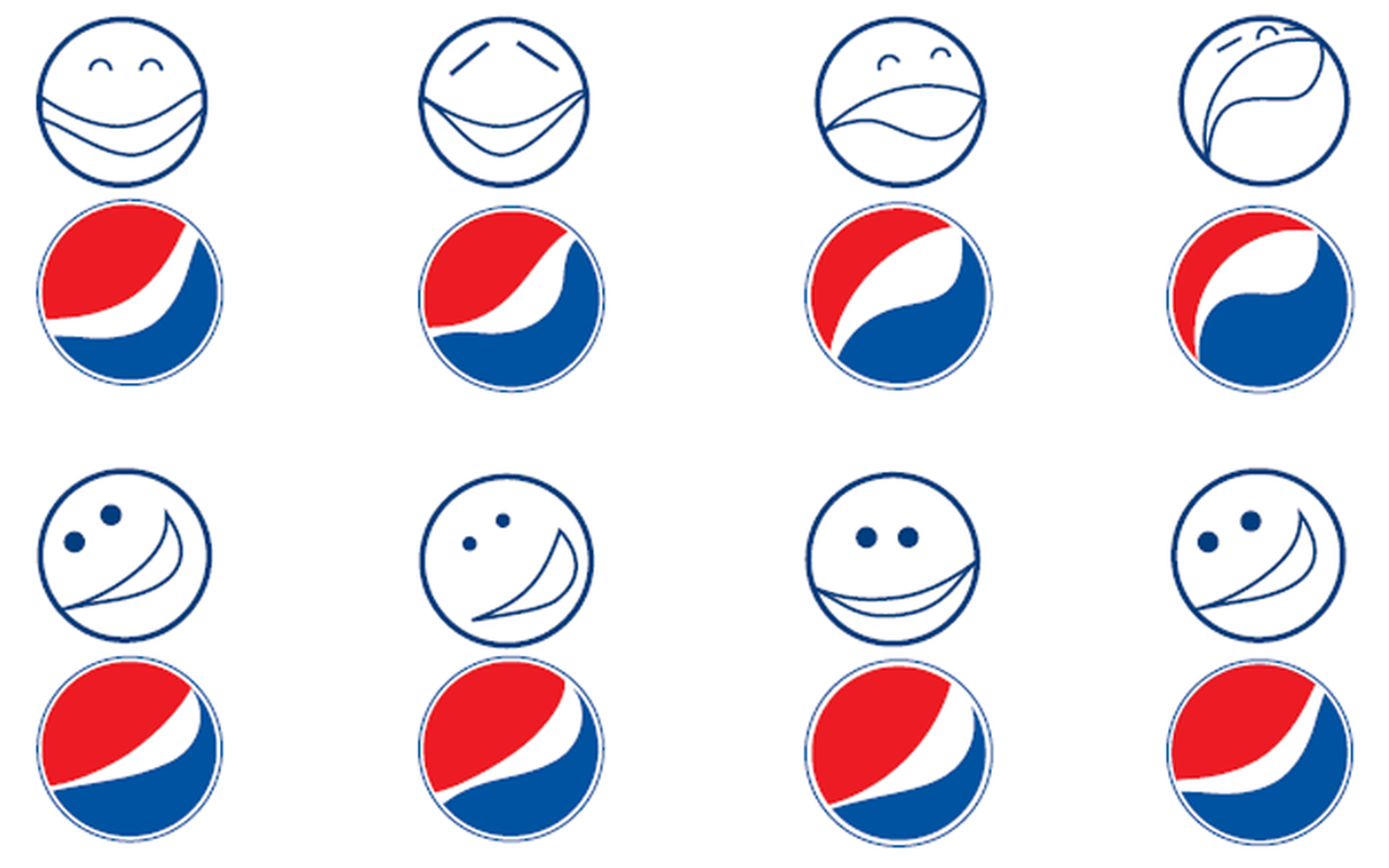
Finally, there is Pepsi and its notorious logo redesign. In 2008, the company spent a reported $1 million for a new logo featuring bolder colors, a sans-serif typeface and a dark blue circle for an outline. The public's reaction to this change was overwhelmingly disdainful, with people pointing out its lack of creativity and deriding it as unoriginal and unimaginative. Designers were also highly critical of the new look, saying it would do little to differentiate Pepsi from other brands.
To make matters worse, when the purported design document behind it all surfaced, its bizarre comparisons of the Pepsi logo to magnetic fields, the golden ratio and the expansion of the universe turned dismissal into open mockery. Capping off this bubbling concoction of branding gone sour, Peter Arnell – the artist behind the redesign – used harsh words to characterize his work on the project, scoffing, "It's all bulls––t. A logo on a can of soda? Please."
The campaign was right on one thing, however, its title: "Breathtaking."
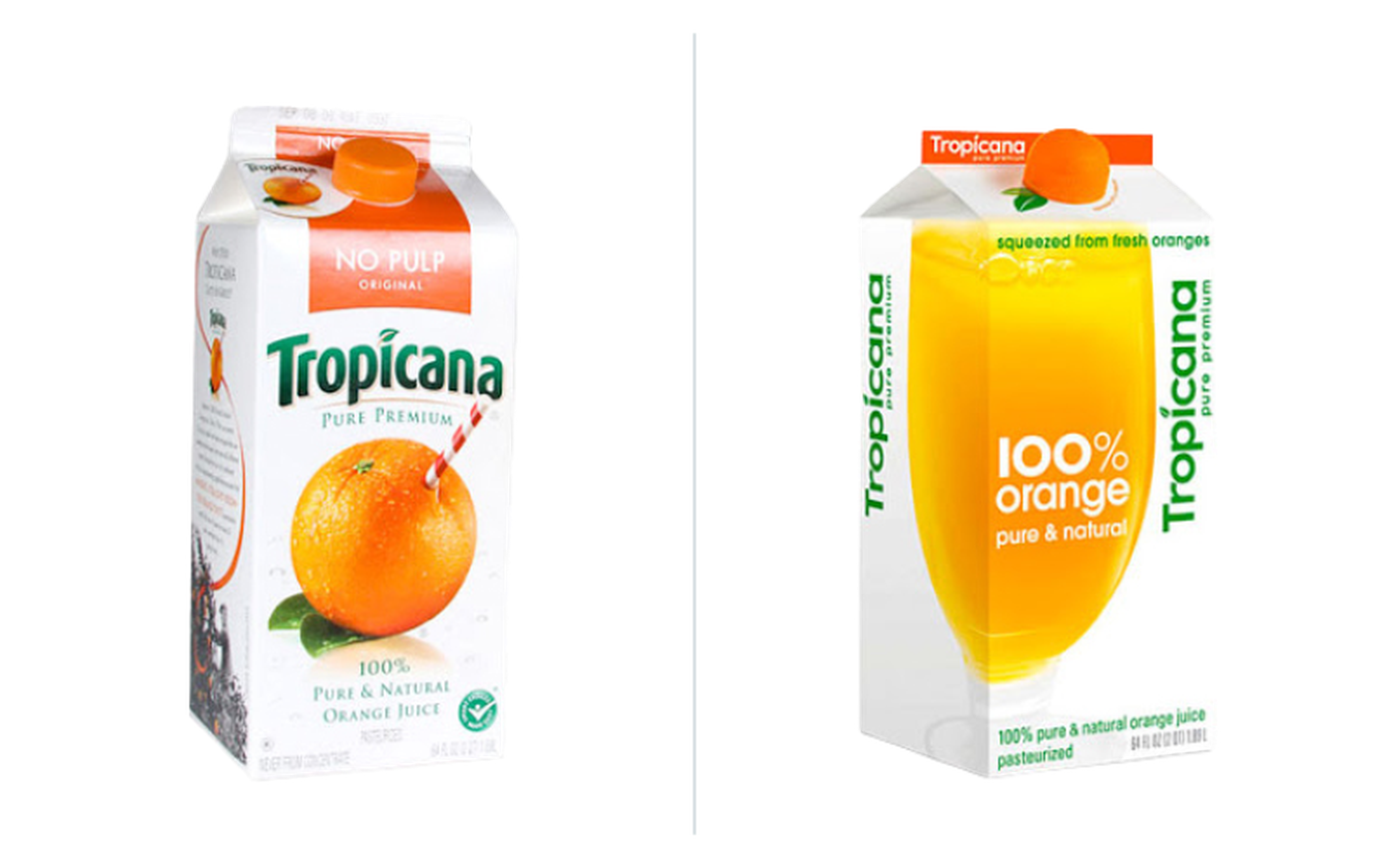
But this story has not yet gone flat for parent company PepsiCo. Through his "brand architecture" company, the Arnell Group, the ever-effervescent man who ate 50 oranges a day was also commissioned to redesign Tropicana's packaging. Despite his penchant for citrus fruit, this other attempt to rebrand was met with calamity. The juice brand swapped its iconic cartoon-style orange with a straw for a minimalist white label featuring a glass of orange juice with the words "Tropicana Pure Premium" written vertically.
The move was widely panned, with consumers failing to locate the brand in supermarket aisles and writing negative reviews about the new packaging. Despite Tropicana's efforts to explain that their product had not changed, customers were not buying it. Sales dropped by 20%, forcing the company to reverse course and return to its original design within a few months.
Rebranding is more than just changing a logo, slogan or other front-facing IP; it is about rethinking the entire business image and creating an appropriate emotional connection with customers through marketing and trademarked elements. The process should always be approached strategically, with research at its heart. Companies need to pay attention to customer feedback and preferences while staying true to their product's identity as they re-imagine it, or else risk alienating loyal customers or confusing potential ones. No small feat, but as we shall see in an upcoming blog, the rewards of getting it right can be game-changing.
If you are considering a rebranding campaign, the trademark experts at Dennemyer can ensure that your all-important refreshed IP is protected everywhere you need it to be.