Everyday IP: How Intellectual Property powers the world of sports


Dennemeyer Group
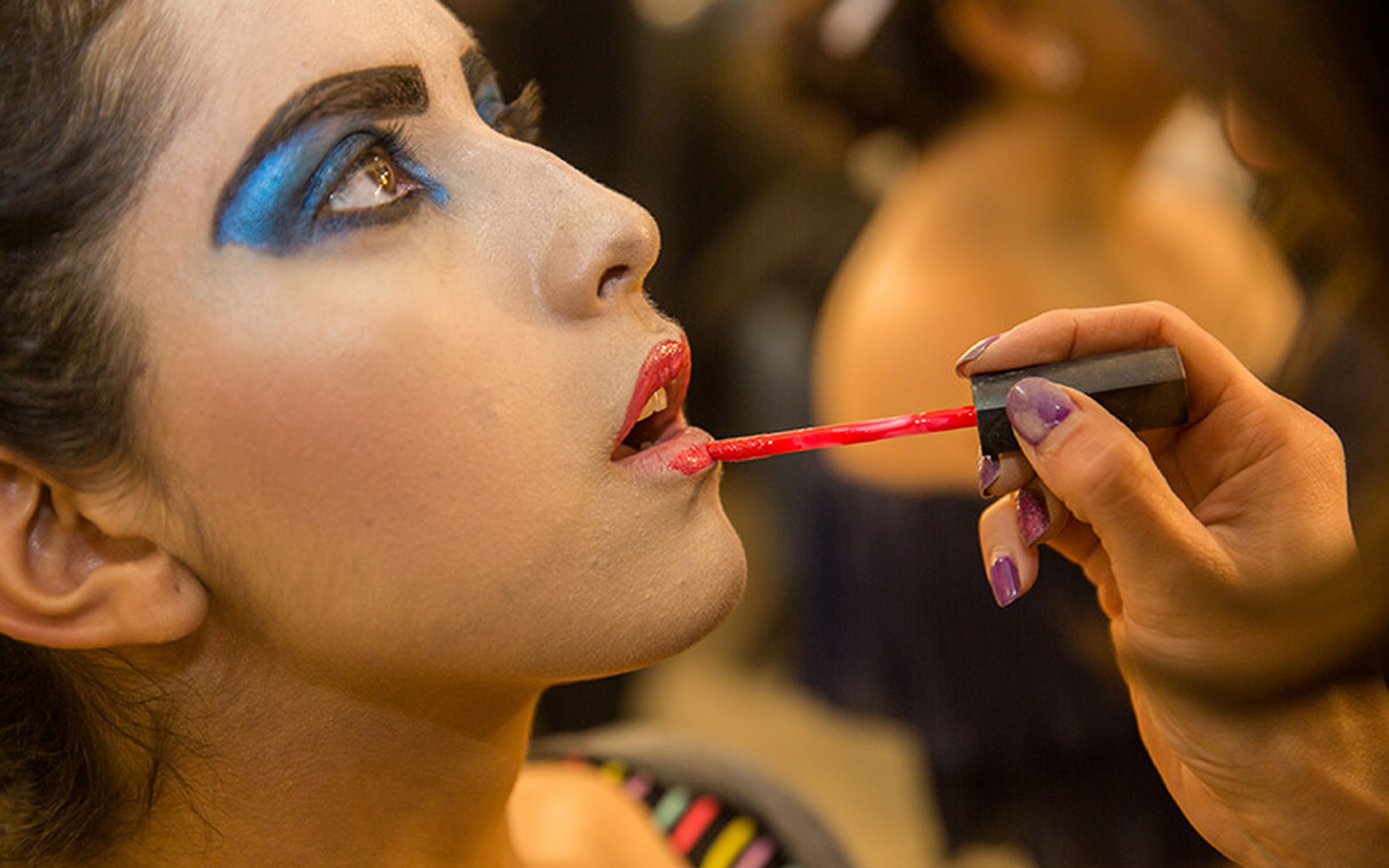
Arguments over consent and creative control have escalated with advancements that can now not only mimic but also manipulate a person's image or voice with remarkable precision. In the current entertainment landscape, these technologies raise ethical concerns about the very nature of performance, identity and entitlement.
One prominent example of these concerns emerged in 2023's Hollywood strike, where actors rallied against studios' potential use of AI. If a digital version of an actor can perform in perpetuity, does the person behind that likeness still retain any say over their image or control over its commercial exploitation? Does this diminish an actor's creative agency and earning potential, particularly if their involvement is no longer required for further appearances? Does an actor's idiosyncratic performance lose its value if it is infinitely reproducible? These questions echo Crispin Glover's complaint, suggesting that the real concern may be about the underlying right of publicity, not necessarily the technology that impinges on it.
Of course, this problem does not exclusively apply to individual faces and performances. Creative ownership is even more complicated in the realm of intangible elements like shared ideas — which, as our next case proves, can be slippery.
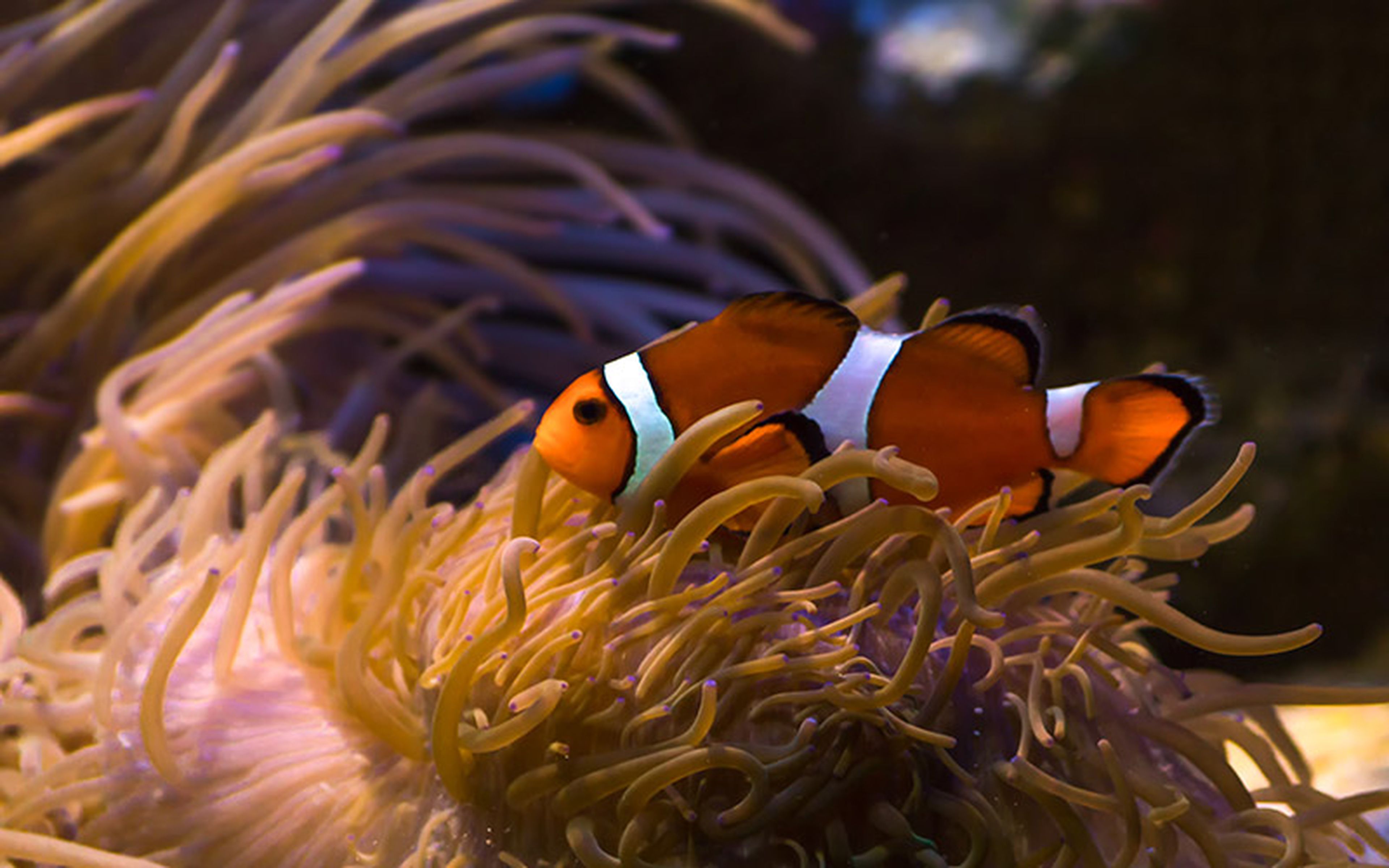
The year 2003 saw two clownfish in a French court: Disney and Pixar Animation's Nemo and French author Franck Le Calvez's Pierrot. The author claimed that he brought his children's book "Pierrot Le Poisson" to French production companies, suspecting that they passed the idea to the two U.S. film studios behind "Finding Nemo." He cited design and plot similarities, demanding that "Finding Nemo" merchandise be removed from French shops, and claimed damages for copyright and trademark breaches.
However, as time went on, his story seemed increasingly fishy. While Franck Le Calvez's tale was published in 2002, the year before Nemo swam onto screens, Disney and Pixar pointed out that film previews were available at that time — and that their striped hero was already drawn in 2000. By 2005, a French court had convicted the author of fraud, ruling that he had known of Nemo when designing Pierrot and ordering him to pay damages and legal fees.
Nemo may have enjoyed swimming success, but sometimes, it is the legal lapses that work out to the benefit of filmmakers everywhere. One story from cinema's early days reveals how a failure of copyright enforcement led to the preservation of one of the medium's all-time classics.
Few distinctions in IP are as intricate or as debatable as those separating inspiration and plagiarism, homage and rip-off, and Bram Stoker's 1897 novel "Dracula" is a prime case study. Being the story upon which much modern vampire fiction is built, many of its elements, themselves often based on folktales, have become genre conventions — but how much can a new work "borrow" before earning infringement accusations?
Unfortunately for the makers of the 1922 silent film "Nosferatu: A Symphony of Horror," the answer was less than they had carried out. German producer and occultist Albin Grau was drawn to the idea of vampires but was unable to secure permission to shoot an adaptation from Bram Stoker's widow. Instead, he made an expressionistic film that drew heavily from the book, changing some names and plot points while maintaining a heavy debt to the original work. Though Count Dracula became Count Orlok and the villain was eventually killed by sunlight, the Stoker estate did not look kindly upon the creative endeavor, all but driving a stake through the film with a copyright infringement lawsuit. With the original German intertitles openly acknowledging the narrative source, Albin Grau was forced to declare bankruptcy and close down his production company.
Immolation followed decapitation as the German court ordered the destruction of all "Nosferatu" prints. For a moment, it seemed that the film was dead and buried, never to rise from its crypt — but a copy made its way to the United States. There, an error in the copyright notice had allowed "Dracula" to end up in the public domain early, meaning there were no grounds for infringement. This twist of fate allowed the film not only to survive but eventually become a defining work in the language of horror cinema. However, the oft-repeated story that only the U.S. print escaped the fiery wrath of copyright enforcers is mere legend.

Though drawing upon past ideas is an inherent part of storytelling, some films are purposefully derivative for narrative purposes, and that takes IP law down an entirely different path.
In a 2011 complaint, tattoo artist S. Victor Whitmill claimed that his work on Mike Tyson was "one of the most distinctive tattoos in the nation." The Warner Bros. filmmakers working on "The Hangover Part II" must have agreed — because they used the design as a joking reference in their movie, having a character get the tattoo while intoxicated.
The artist, however, was not laughing. He claimed "reckless" copyright infringement and potential moral and reputational damage, requesting that the court halt the movie's release. This was not just a case of using protected work but implying a level of irresponsibility on the original artist's part. That added a new dimension to the already complex conversation around "fair use," which allows unlicensed use of copyrighted assets in certain circumstances.
This limitation of exclusive rights was exactly how the studio attempted to defend its action, saying the recreation of the exact tattoo was a parody and, therefore, allowed. A judge disagreed, seeing the utilization not as a parody at all but rather as a case of infringement. Ultimately, the case was settled "amicably" out of court, and the film was released as scheduled, leaving behind a haze of unanswered questions.
In many ways, that uncertainty underpins many IP cases arising from movies. Artistic expression moves faster and more fluidly than IP regulations, making it difficult to define, limit and protect under the law — particularly when new technologies are involved. Fortunately, in testing the boundaries, these types of disputes help safeguard the interests and ingenuity of filmmakers and pave the way for future classics.
Get in touch with the Dennemeyer team to learn more about how you can protect your creativity.