Everyday IP: How Intellectual Property powers the world of sports

Dennemeyer Group

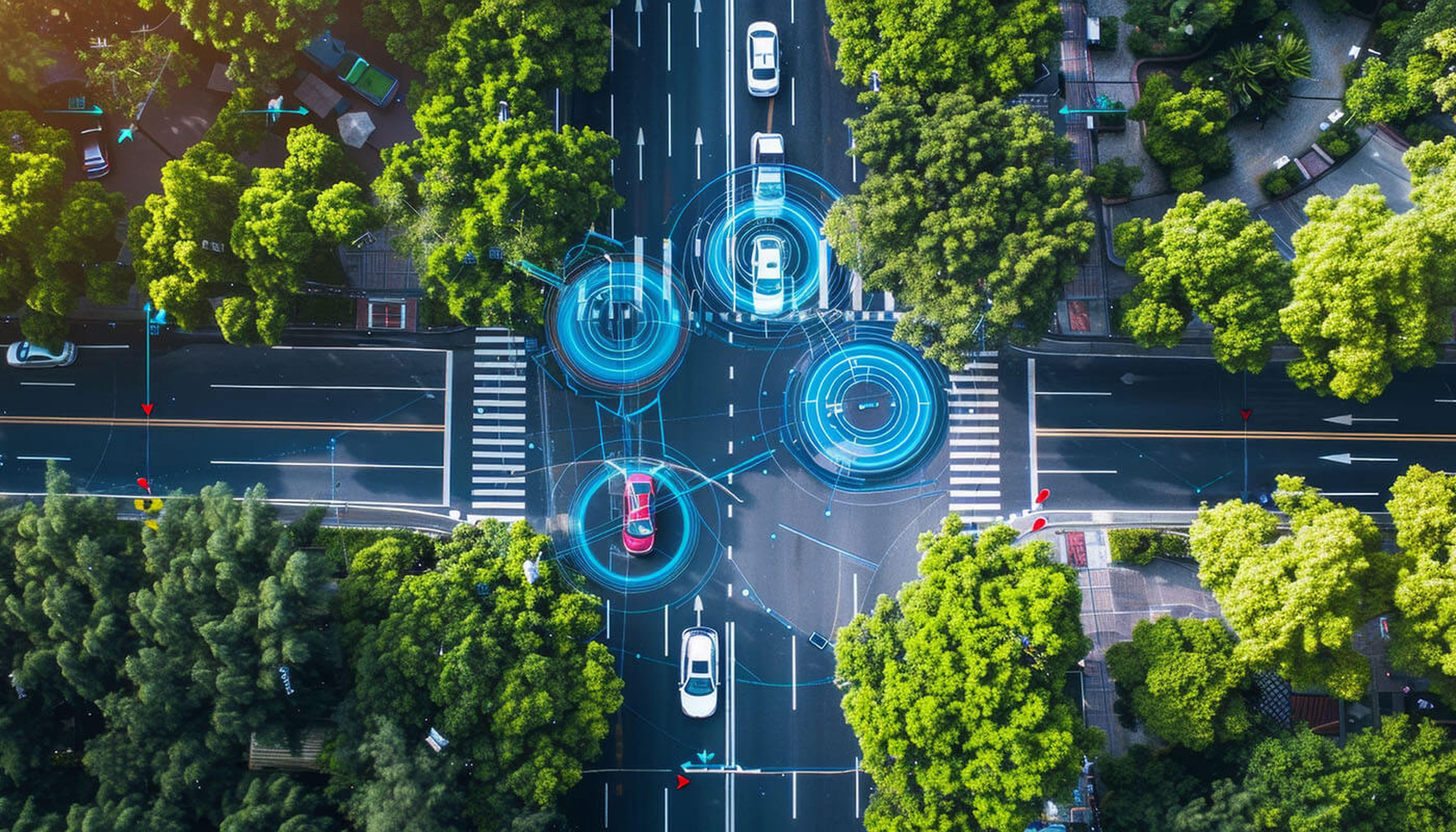
As is to be expected from technologies spanning different industries, many of these innovations are still in development. Most commercially available vehicles in this field offer driver assistance technologies, primarily aimed at improving safety, but recent patents promise advances like cars that take themselves in for servicing. There is also research into self-driving vehicles that communicate with each other and the surrounding city infrastructure to keep traffic moving smoothly.
Depending on the city, this kind of infrastructure may include sensors in smart parking meters and lots, intelligent transportation networks and real-time citizen-to-citizen and citizen-to-government data sharing. One example is a method of traffic control that determines light phases based on estimated vehicle arrival times at intersections — another sign that the future of transportation is connection and digital communication.
Of course, that concept often means private vehicles are not the only choice for city travel, nor the most opportune. Fortunately, inventors have answered the call with everything from smart grids for public transportation to bike rental and sharing systems, all designed to decrease our dependence on cars. Such technologies have many goals, including cutting congestion and lowering the need for parking spaces in city centers, but one of the most important is energy efficiency.
Clean energy has long been on the world's radar, as inventors in the United States and France were creating solar cells as early as 1888. Since then, researchers have paid attention to practical matters like functionality and efficiency to overcome a familiar issue in innovative city development: While people are willing to accept the concept and value of a certain technology, they may remain resistant until it is more affordable to change than to maintain the status quo.
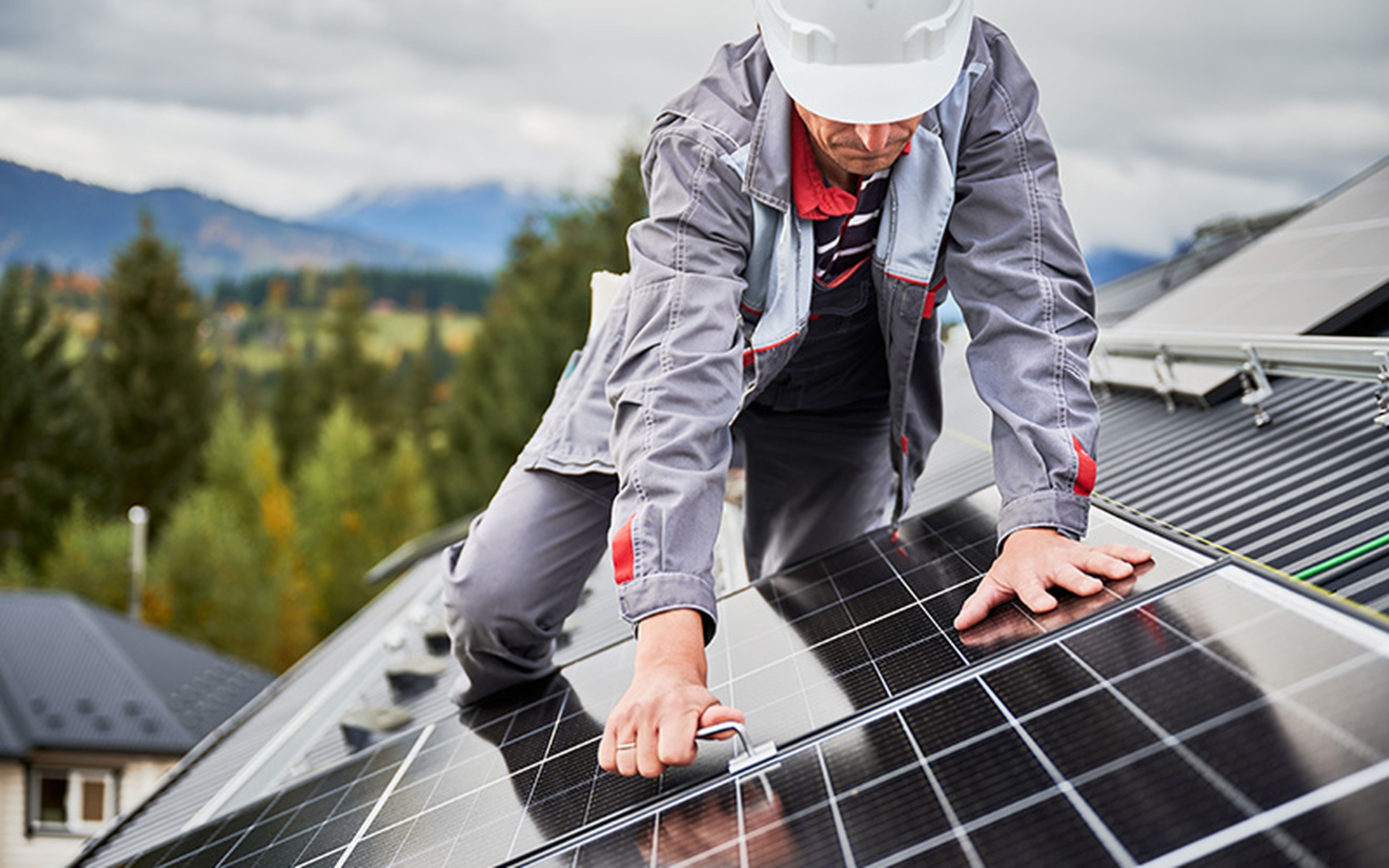
There are a number of reasons besides upfront costs that solar panels do not cover every building in urban areas. Among the most technically challenging is the difficulty of storing energy produced during the day to be released when demand is greater in the evening, coupled with the natural variability in solar generation. The electric grid requires a certain baseline of "inertia" to be able to absorb fluctuations in demand and resist surges – a reliability generally only available from power stations.
While macro-scale transformations require a long time and substantial investment, there are "quick-win" upgrades that can immediately and clearly benefit citizens, such as digital meters enabling wireless monitoring. This makes it quicker and easier to identify power outage sources and eliminates the need for personnel to enter private backyards to read meters. Similarly, city planners may favor passive changes like utilizing consumption monitoring and energy optimization systems, which ask little of locals but serve the metropolis overall. With so many, often conflicting, concerns to satisfy, inventors are always looking to find new, safe and efficient energy solutions that cater to everything from cost restrictions to aesthetic appeal.
The answer, in some ways, has been to split audiences. Some innovations are built with developers and planners in mind, such as microgrids and streetlights with motion sensors to conserve power. Others are designed for private consumers, and while they bring gains to the individual, many of these inventions make up small pieces of the much larger smart city puzzle.
Smart thermostats are perhaps the best example of in-home upgrades that align with wider sustainability goals. Sensors, algorithms and settings like low-power modes and temperature zones for different rooms support members of the public in optimizing their energy use. There is even a patent for a system that alerts homeowners if their smart devices are using more power than the average. Such technologies can help lessen stress on city-wide energy grids, ensuring everyone gets effective utilities while saving power and money.

This wider consciousness is increasingly relevant now that many homes have devices for charging electric vehicles. Making clean transportation more convenient and accessible on an individual basis reduces delays at public charging stations, encourages wider adoption of non-fossil-fuel options and lays the groundwork for future infrastructure upgrades based on electric vehicle functionality.
Other private upgrades are more nuanced in their social benefits, like home security systems. While these may seem to fan the flames of distrust, fear and suspicion in cities designed to be more cohesive, the reality is that these systems aid public safety by integrating with better, more reliable methods of communicating with authorities. For example, some devices may contact police or fire departments automatically, helping municipalities better manage emergency responses. Others might have methods for cutting down false alarms, which limits wasted resources.
Some innovations even combine all of these advantages by intelligently linking private smart devices to give users control over all digital aspects of their homes from a single interface. While this grants plenty of incentives for individual users, its most fascinating factor is its similarity to smart city initiatives. When citizens embrace these concepts on a small scale and see time- and cost savings firsthand, they may be more willing to adapt to them as part of a much larger framework.
Ultimately, the IP in smart cities is the thread connecting people, innovation and creativity, and every inventor has the potential to play a role in weaving this future. Contact the Dennemeyer team today to protect your part in tomorrow.